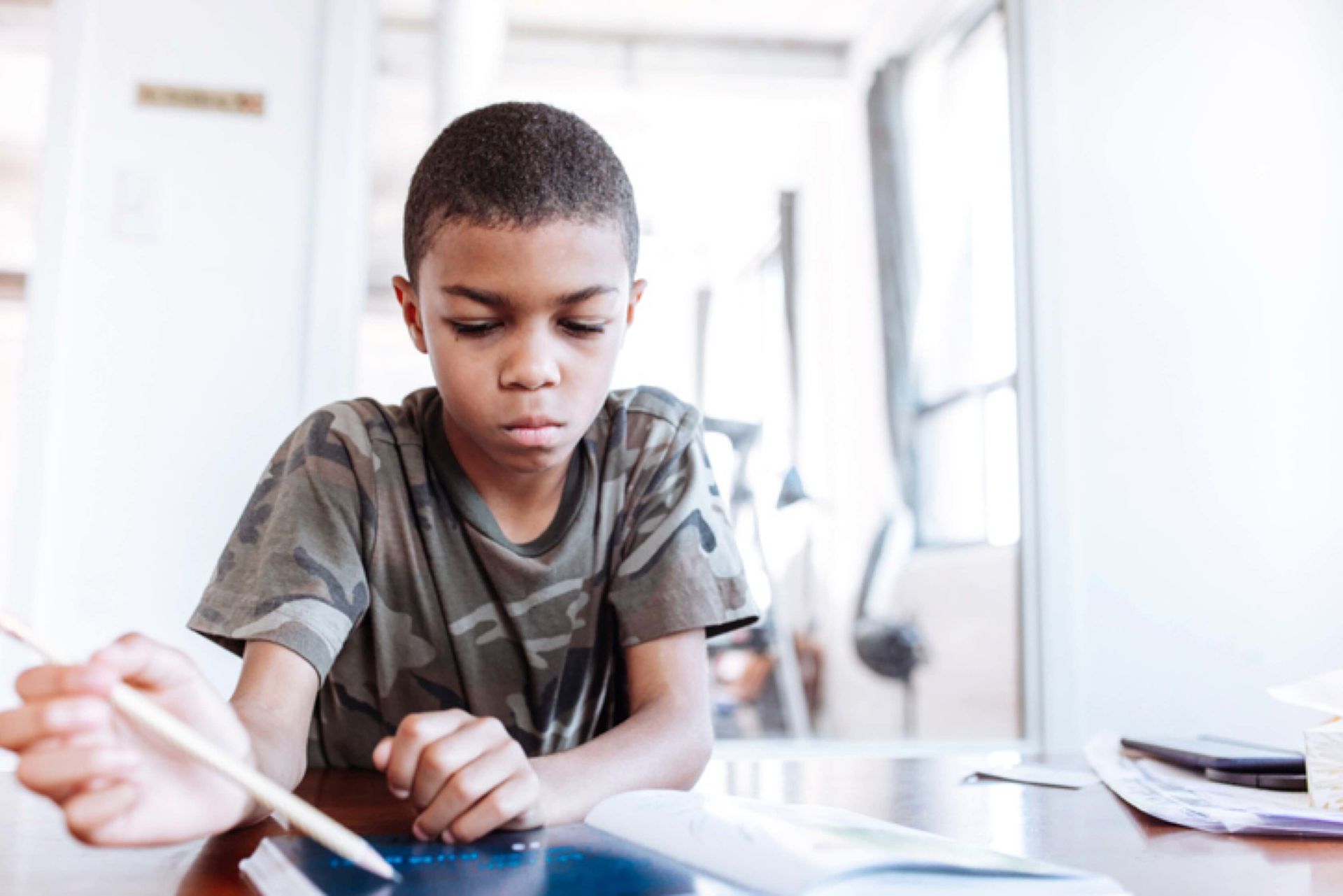
It is perfectly normal for your child to feel nervous before an exam or get butterflies in their stomach. But when stress morphs into intrusive thoughts, it becomes problematic. This type of reaction can be a sign of performance anxiety. Fortunately, with a little help, your child can learn to manage it.
Children with performance anxiety have a strong fear of failure and a tendency to catastrophize. For example, the thought of failing an exam might cause them to worry that they will disappoint their parents or even have to repeat the school year. Essentially, they react to certain situations (such as exams and oral presentations) the same way they would if they were being chased by monsters.
Some situations are more likely than others to trigger anxiety. These situations usually have certain characteristics:
- Sense that one has little or no control
- Unpredictability
- Novelty
- Threat to the ego
- Etc.
Did you know that children as young as 7 or 8 can have performance anxiety? Its many symptoms often resemble those of other disorders, so it is recommended to consult a health care specialist for an expert opinion. Although getting a diagnosis is not essential, having one will make it easier to help your child.
Here are a few common symptoms of performance anxiety to watch out for in your child:
- A tendency to feel like they are not good enough
- Memory lapses
- Fear of disappointing you
- Anxiety attacks
- Feelings of uselessness
- A tendency to avoid criticism
- Intense perfectionism
- Etc.
During stressful situations, performance anxiety can also cause physical symptoms:
- Migraines and headaches
- Muscle tension
- Insomnia
- Digestive problems (stomach aches, nausea)
- Etc.
If your child has performance anxiety, start by helping them build up their self-confidence. There are many ways to do this:
- List all the people who love them
- Share stories about your own past failures and the lessons they taught you
- Talk about what your child does well
- Make a list of their achievements
- Teach them that mistakes are not the end of the world
- Etc.
A little self-confidence can go a very long way. In fact, it is an important determinant of academic success. Learn how you can help your child believe in themself in our article on the topic.
To help your child manage their anxiety more effectively, try asking them to imagine that they are a magician, since only they can make their symptoms disappear. All they need are the right magic words! Here are some examples of what your child can say to themself to regain control of their thoughts and emotions:
- I can do it.
- All that matters is that I do my best.
- My parents will always love me.
- I am not the sum of my academic achievements.
- I am okay and I am safe.
Kids with performance anxiety tend to blow their failures out of proportion. You can suggest simple day-to-day strategies to help your child stay composed:
- Think of stressful situations as challenges rather than threats
- Put the consequences of any possible failure into perspective
- Visualize things that make them happy
- Establish reassuring routines
- Listen to music to take their mind off things
- Exercise to relieve tension
- Do breathing and relaxation exercises
- Etc.
If your child continues to struggle with performance anxiety, you may wish to consult a specialist at their school, like a psychologist or psychoeducator. It could make all the difference!
Extrait du balado « Survivre aux devoirs : vos questions à Alloprof », à écouter en entier sur Radio-Canada OHdio.
Writing : Marie-Claude Ouellet
Scientific review : Anne-Marie Audet, psychoeducator
Rewriting : The Alloprof Parents' team