

Developing digital competency has become essential for teachers and students alike. This guide aims to help you integrate digital skills into your teaching practice by explaining the 12 dimensions of the Digital Competency Framework. Each article contains a host of practical teaching tools and resources. Discover how to revamp your teaching using digital technology and, most importantly, how to teach your students to practise ethical citizenship by mobilizing their technological skills.
This guide was created with the help of Séverine Parent and Jessica Métivier, professor and lecturer, respectively, in the educational studies department at Université du Québec à Rimouski – Campus de Lévis, and the students enrolled in “Mobilisation du numérique” (mobilizing digital technology) during the fall 2024 term.

This article provides an overview of digital competency and explains its key role in modern-day education. It lays out the competency’s 12 dimensions along with useful resources for teaching it effectively.

This article looks at the first dimension of the Digital Competency Framework: Exercising Ethical Citizenship in the Digital Age. This is a central component of the framework because it influences each of the other dimensions. Moreover, it examines the ethical implications of our digital decisions and how they affect others. The text demystifies this essential concept and suggests concrete ways of integrating it into your teaching.

Whether it’s knowing how to create a secure password or make effective use of artificial intelligence, digital skills are a necessity for effectively navigating our society. This article offers a wealth of practical information on teaching this dimension. It also presents ideas on educational activities you can use to enrich your practice!
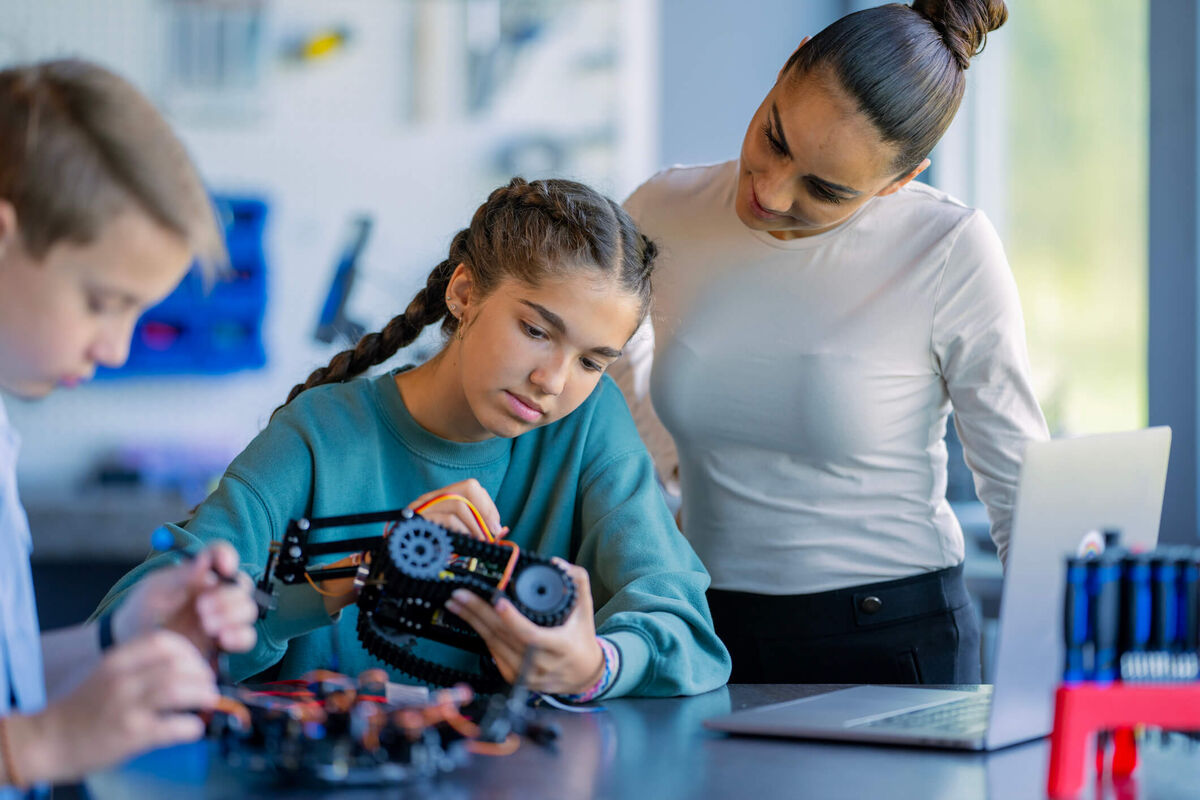
This dimension focuses on the active and thoughtful use of digital tools to enrich learning. Discover how to harness the full potential of digital technology by creating a dynamic learning environment that meets the needs of every student.

We are constantly bombarded with information, and it’s becoming increasingly difficult to distinguish fact from fiction. This dimension seeks to transform information overload into learning opportunities. It offers strategies for you and your students to look for, evaluate, organize, and use information in a thoughtful and critical way.

Working in a team can be challenging, but it can also be highly rewarding when you have the right tools. This article offers tips for integrating new technological tools into the classroom to promote good teamwork. You’ll also find activities for getting students to collaborate strategically, such as by taking part in collective initiatives.

Here’s a dimension that’s sure to appeal to your students! This article explains how to use the right tools for clear and secure communication that’s tailored to the situation. It also includes activities to help you think about and prevent the potential pitfalls of online communication.

These days, digital content production is essential for developing creativity, communication, and collaboration. This article explores its importance for both teachers and students, proposing pedagogical strategies and examples of classroom activities.
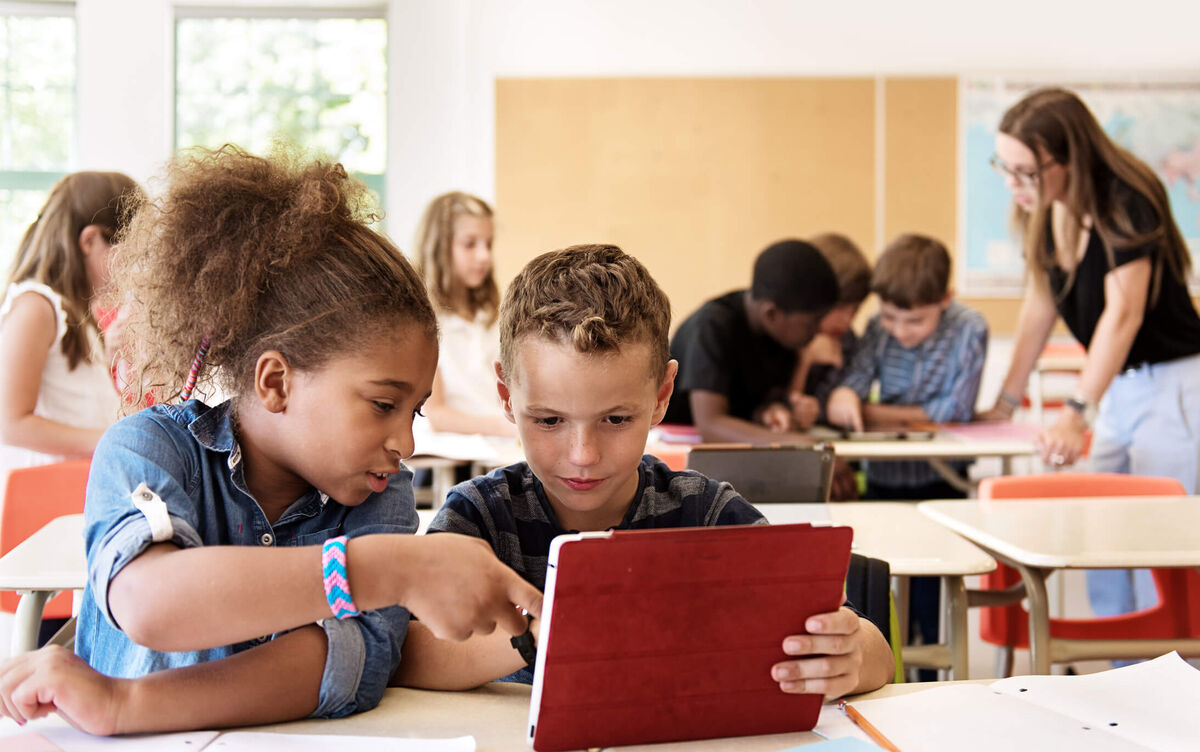
This dimension explores the multiple possibilities offered by digital technology to support the full range of students’ needs. By choosing the right tools, you can reduce barriers to learning. This article provides ideas and activities for creating a more inclusive and equitable environment in your classroom.

Discover how digital technology can become a key ally in stimulating your personal and professional development, as well as that of your students. By using technology wisely, you can develop essential skills such as autonomy, adaptability, and the capacity to innovate.
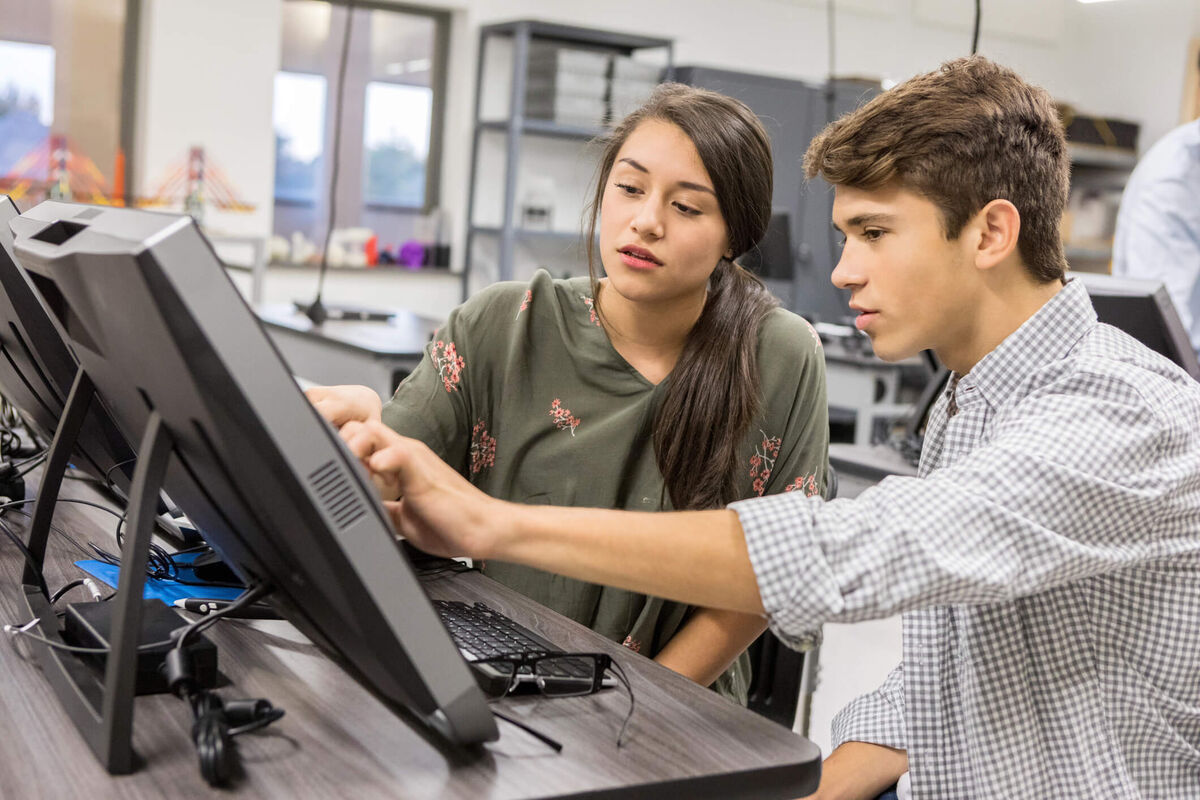
Knowing how to solve problems using digital technology has become a necessity. This article goes right to the heart of this dimension: Discover its key elements, innovative strategies for teaching it as a concept, and examples of tools and activities for putting it into practice in the classroom.

This article reveals the extent to which developing and mobilizing technological skills isn’t just a matter of mastering tools, but is in fact a means of sharpening our critical thinking. Find out how to help your students make the right choices in the digital age with practical tools and activities.
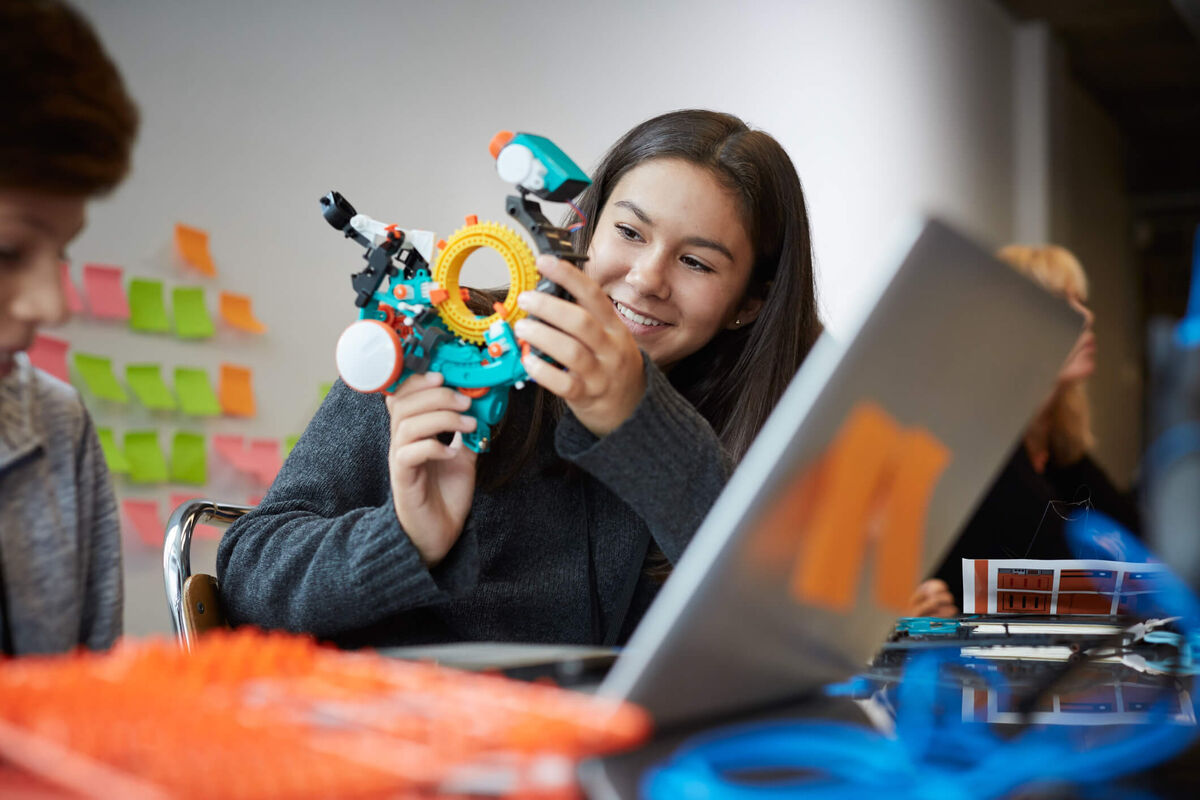
This article unpacks how to use digital technology to develop innovative ideas and express one’s creativity through concrete projects. It includes educational tools and activities related to concepts like coding, 3D modelling, and virtual reality, which you can use to liven up your classes and motivate your students.