

Many education professionals today have begun questioning the relevance of assessing students’ reading skills through writing assignments—a widespread practice. Indeed, it may even seem paradoxical to assess the competency “reading and appreciating varied texts” using another competency entirely. Luckily, there are a number of other effective ways to assess reading. This themed section is full of practical tools and ideas for assessing reading in an inclusive and engaging way.

Les compétences en lecture peuvent être évaluées chez les élèves de manière juste et inclusive. Apprenez-en plus sur la triangulation des preuves d’apprentissage!

This article shares tips on leading a successful reading interview. This method involves talking with students to assess their understanding of a text. Among other things, it enables teachers to observe students’ reading strategies in real time, work around writing difficulties, and personalize the assessment for each student.

Looking for creative ways to assess your students’ reading skills? Discover 10 original activities that can replace a traditional reading test. These activities assess all four dimensions of reading and can be easily adapted to your students’ grade level.
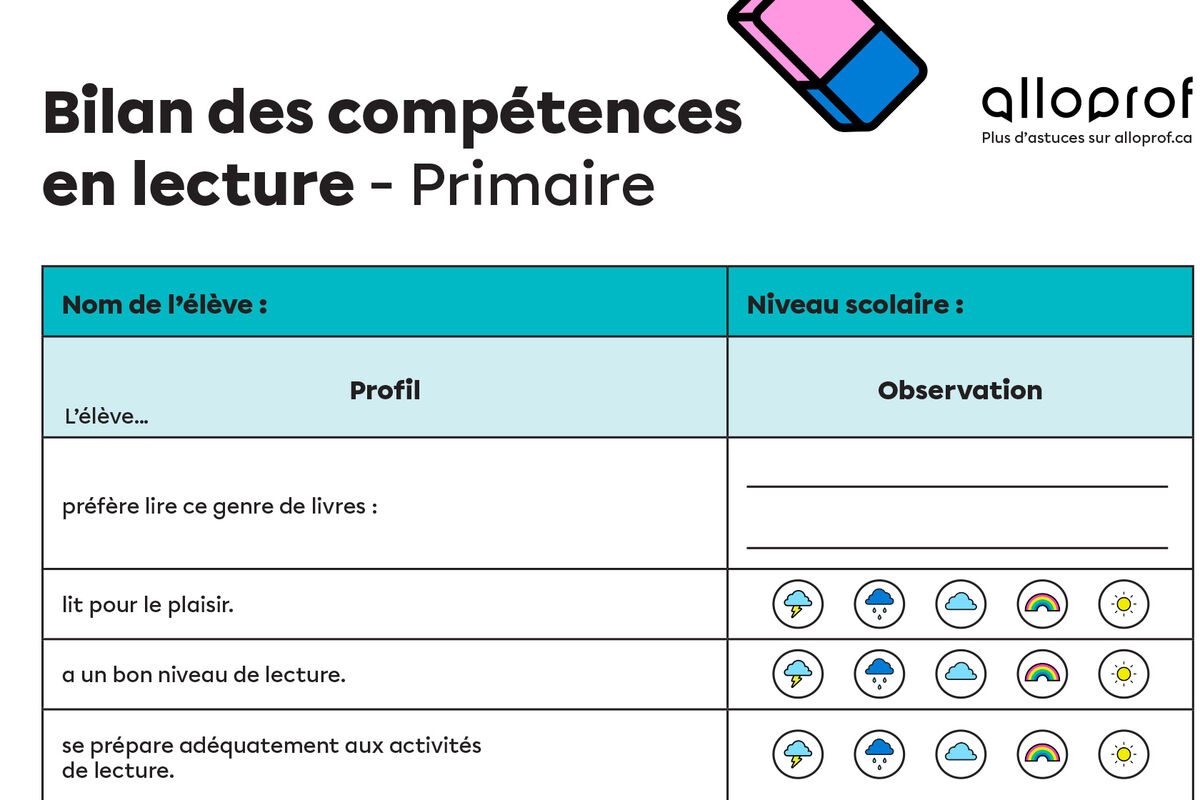
Découvrez cet outil qui vous permet de manière simple et efficace de rassembler les acquis en lecture de vos élèves! Cet outil est pratique en fin d’année scolaire pour la rédaction des bulletins ou pour transmettre des informations utiles à l’enseignant(e) de l’année suivante.
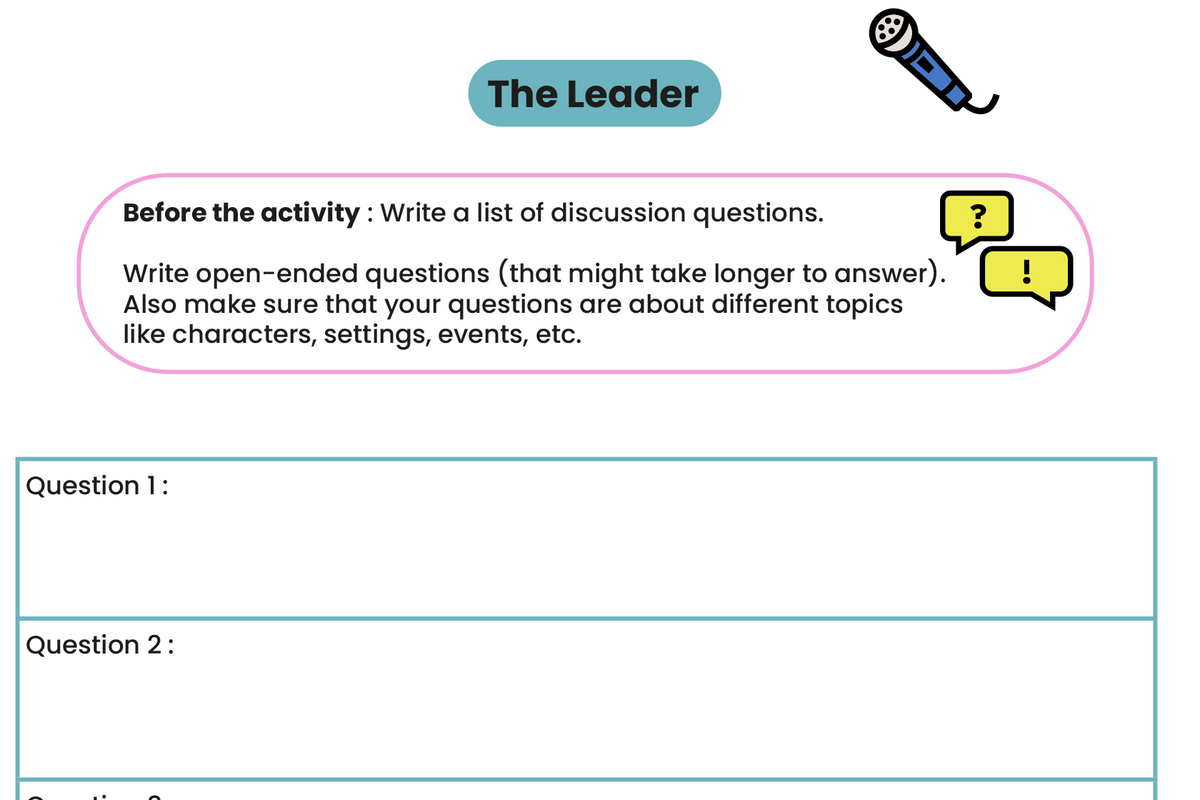
Pass out these worksheets to your students to help them prepare for a reading circle. Each worksheet lists a task that students must complete before the reading circle, as well as the rules they need to follow during the activity.
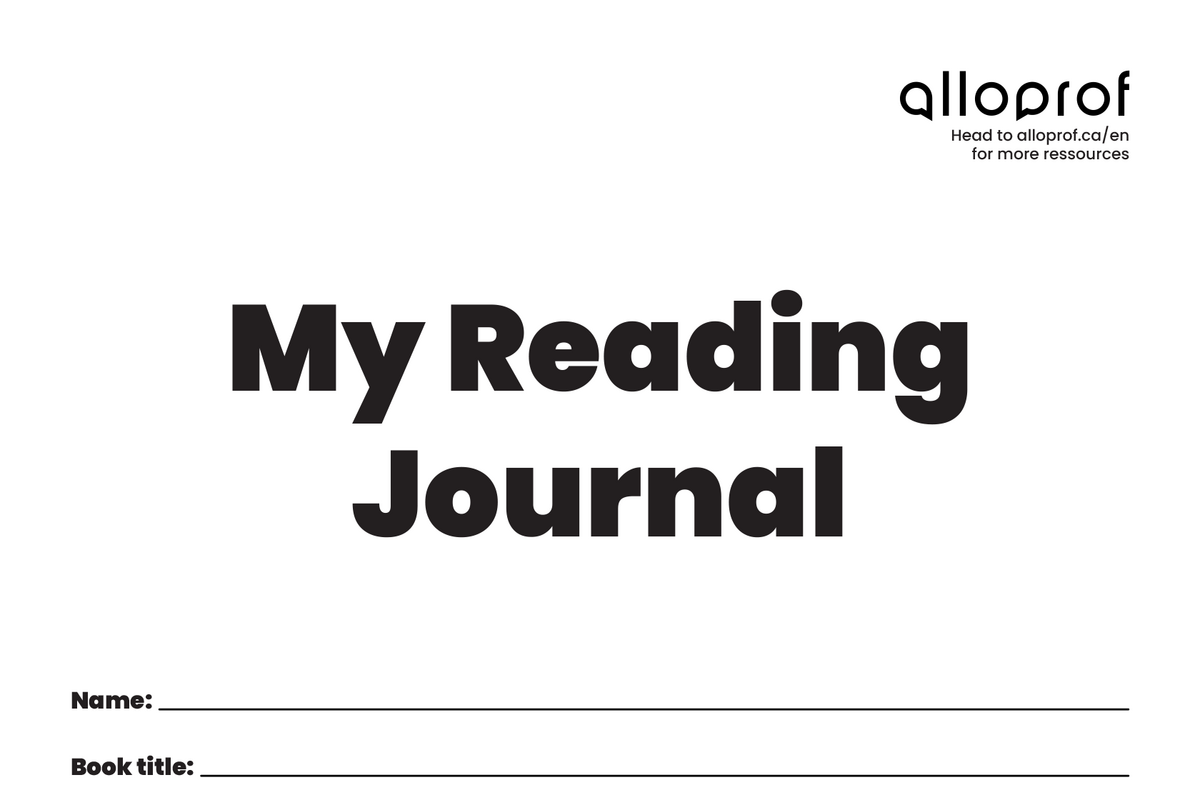
Reading journals are valuable companions for students reading a narrative text. They allow students to record important information about the story, as well as their thoughts and reactions.
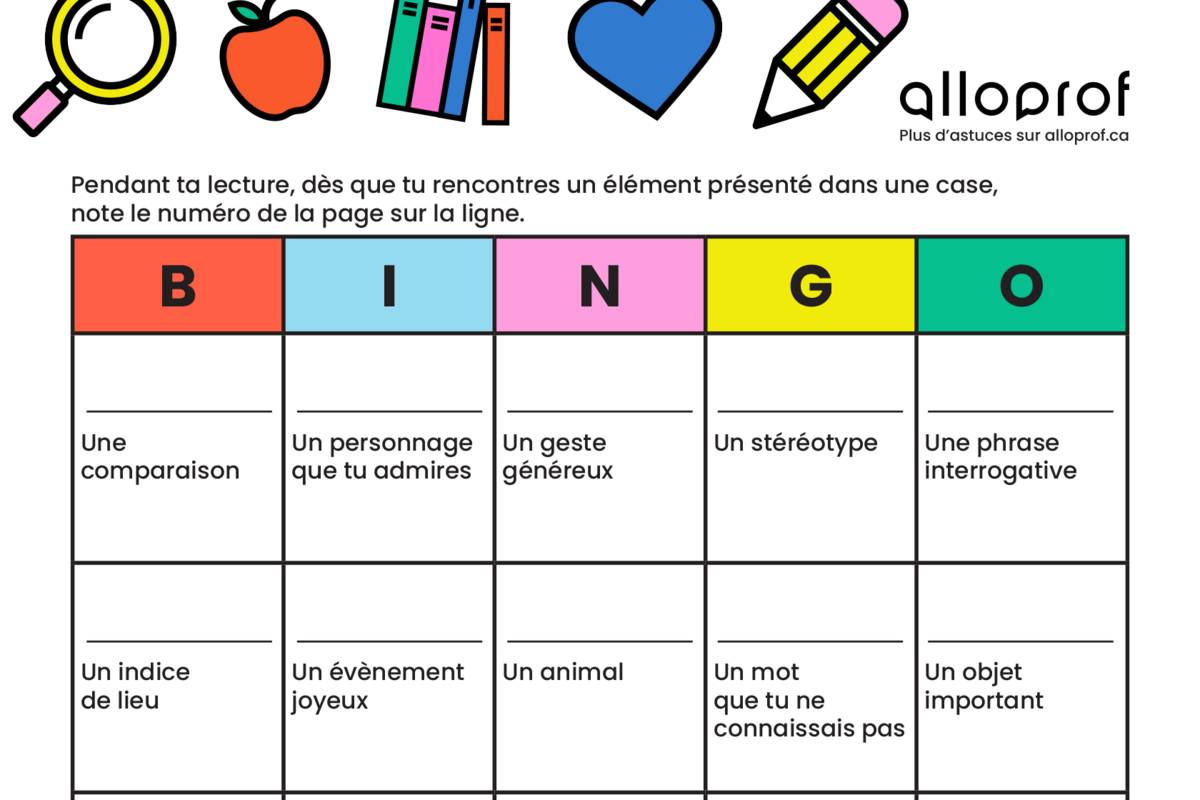
La carte de bingo de lecture invite les élèves à trouver, dans leur livre, les éléments indiqués sur la carte, ce qui rend la lecture plus dynamique et amusante. Cette activité, semblable à un « cherche et trouve », est idéale lorsque les élèves ne lisent pas le même roman, car la carte peut convenir à tous les types de récit.