The Royal Proclamation of 1763 ended the military regime, which meant that the army was no longer responsible for the territory’s political administration. A civilian government was put in place. King George III of Great Britain wanted his new colony, the Province of Quebec, to be administered in the same way as other British colonies.
For the Province of Quebec to become a British colony, it was important for the population, primarily Canadien, to adopt the British language, religion and culture. To accomplish this, Governor James Murray was responsible for implementing the King’s instructions, whose main objective was to assimilate the Canadiens.
| Instructions from the King for Assimilating the Canadiens |
|---|
|
Assimilation is when a group is made to adopt the language, customs, religion and values of another culture to the detriment of their own.
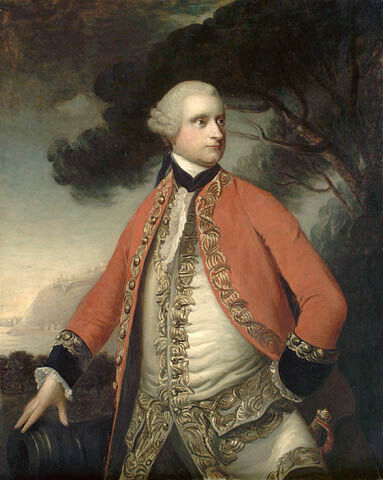
Source : James Murray [Painting], circa 1770, Bibliothèque et Archives Canada, (URL).[1]
Like the oath of allegiance, the Test Act consisted of swearing allegiance to the King of Great Britain. However, unlike the oath of allegiance, it also included renunciation of the Catholic religion and papal authority, which was inconceivable for most Canadiens. This oath was mandatory to secure administrative positions, such as Council member or judge, effectively limiting access to these jobs for the Canadiens.
Despite the King’s instructions, James Murray adopted a more conciliatory attitude; he was open to compromise. Murray wanted to avoid any revolt from the Canadiens who were the numerical majority in the colony. He also thought assimilation would occur more rapidly if they developed a sense of belonging to their new country. Therefore, Murray granted several concessions to the Canadiens.
| Concessions granted to the Canadiens by James Murray |
|---|
|
The townships were plots of land generally divided into squares. Unlike the seigneurial system, those who occupied the land owned it. The principle of paying royalties to the seigneur was abolished.
Since 1760, after the death of Monseigneur de Pontbriand, the Catholic Church had not had a bishop in the Province of Quebec. Since a bishop was the only person who had the power to ordain new priests, the Catholic Church needed a bishop to survive in the colony.
Murray recommended that the British Crown accept that Rome appoint a new bishop and recognize him as the superintendent of the Catholic Church in the colony.
In exchange, the Catholic Clergy agreed to cooperate with the British authorities and remind the Catholic Canadiens that they must obey and remain loyal to the British king.
In 1766, the vicar Jean-Olivier Briand was appointed Bishop of Quebec.
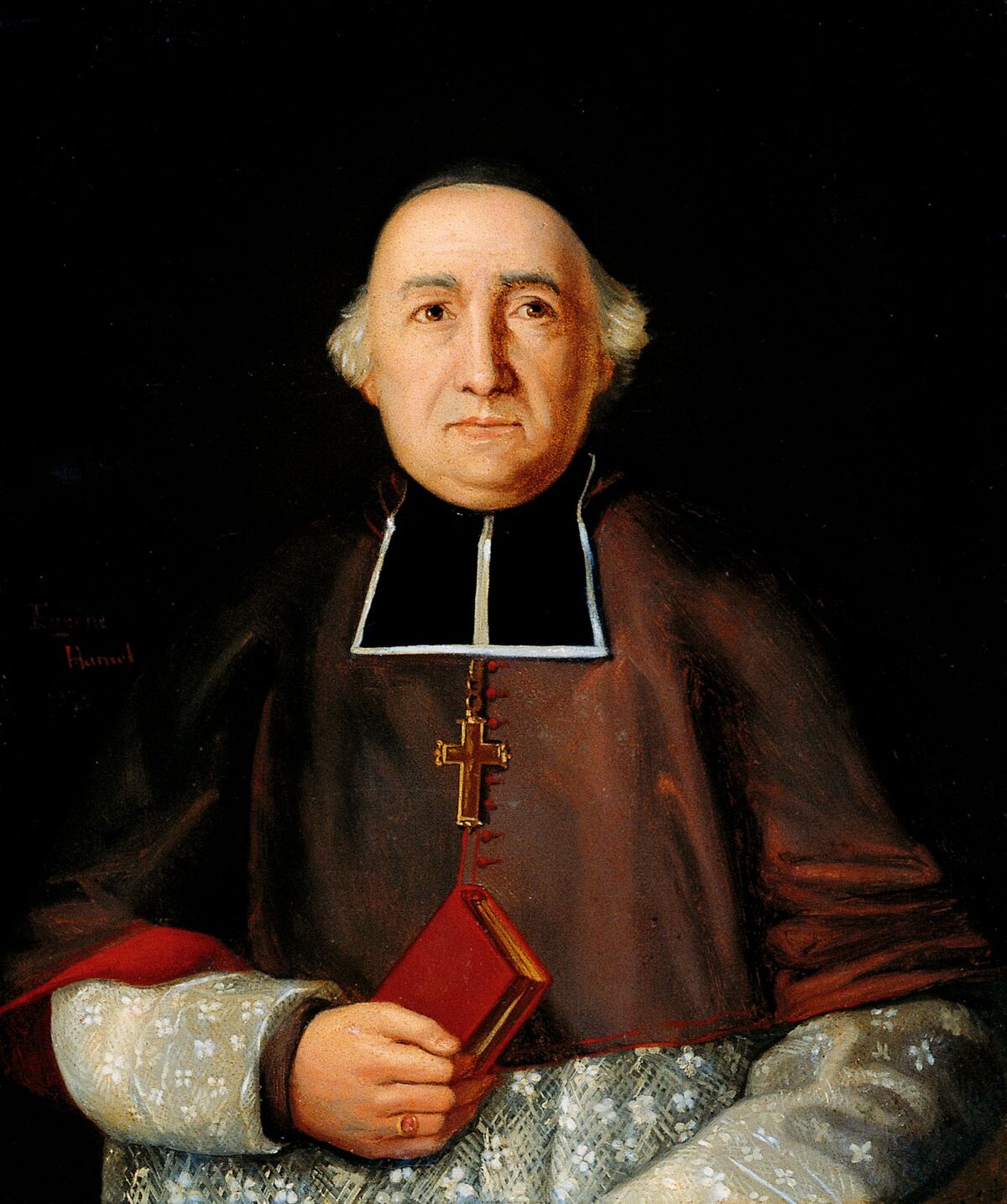
Source : Monseigneur Jean-Olivier Briand [Painting], Hamel, E., 1873, Musée national des beaux-arts du Québec, (URL).[2]
British colonists reacted differently to Governor Murray's conciliation policy. Their opposing positions led to the creation of two groups: the French Party and the British Party.
| French Party | British Party |
|---|---|
| Composed of British administrators, military officers, and British nobles | Composed of British merchants and colonists from the Thirteen Colonies |
| In favour of Governor Murray’s conciliation policy | Strongly opposed to the concessions granted to the Canadiens. Among other things, they demanded the following:
|
As early as 1764, members of the British Party sent several petitions to the King denouncing Murray’s conciliatory policy. They demanded that he be removed.
In 1766, James Murray was ordered back to London and lost his position as governor. Guy Carleton was appointed as the new governor in 1768. Although he was seen as sympathetic to the demands of the British Party, once in office he adopted a policy of compromise, just like Governor Murray before him.