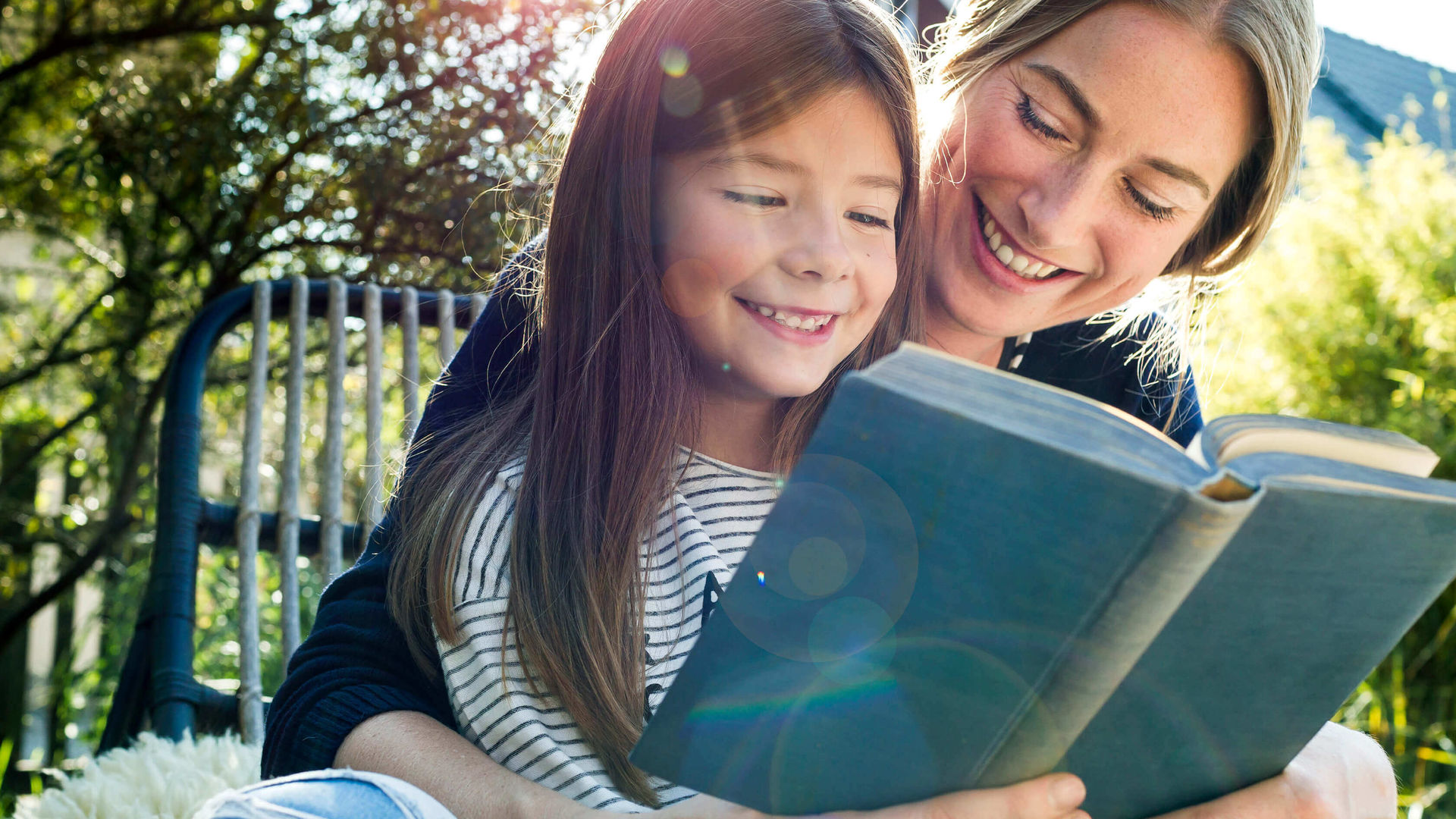
It’s common for students to forget some of what they’ve learned in school over the summer holidays, but don’t worry! There are ways to counteract this phenomenon. Want to keep your child’s brain active while enjoying the summer sun? Discover our five top tips for learning while having fun.
The summer slide refers to students losing or forgetting some of the knowledge they gained during the school year. When the new school year starts, many teachers notice that some students no longer have a good grasp of concepts they learned the previous year. These setbacks can add up over the years and impact a child’s academic success. However, this phenomenon can be prevented or minimized with a supportive family environment and engaging activities.
The children most affected by this phenomenon are allophone children, children with learning disorders, and those from disadvantaged backgrounds. The socio-environmental realities of those young people can directly influence their access to learning.
Learning doesn’t stop when your child walks out of the classroom door. At home, each moment provides a chance for hands-on learning or to apply the concepts learned in class. Think of your home as a real-life living laboratory: Everyday objects can become tools to make learning concrete and motivating.
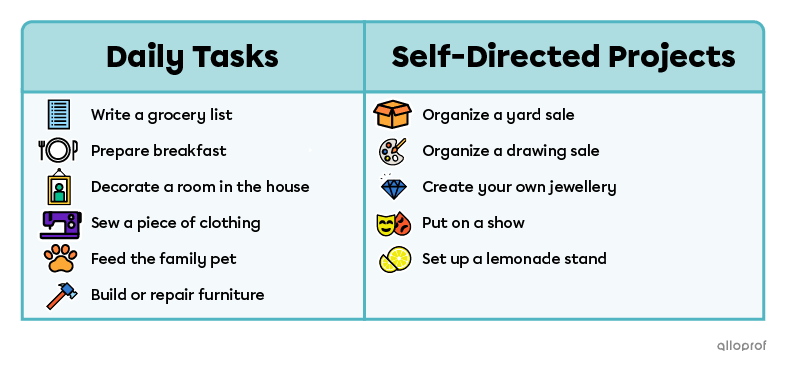
Don’t hesitate to involve your child in your daily tasks or help them start small projects. When you do so, you not only strengthen their knowledge in mathematics, French, or science, you also boost their self-confidence through enriching activities.
Here are some examples of at-home activities you can adapt depending on your child’s age.
You can also take advantage of your time at home to introduce your child to Alloprof’s many educational games.
- The Speedy Rabbit game for practising mathematical operations
- The Book of Spells game to inspire young readers
Take advantage of the many activities on offer throughout the summer to keep your child’s mind active! Visiting a nature interpretation centre or a museum is a fun way to learn about complex concepts. Ask your child to explain an experiment or share what they think about a work of art.
If you attend a festival, encourage your child to review the schedule to plan your activities, or ask them to navigate the site using a map. Even going out to a restaurant can be educational. Ask your child to calculate the tip or read the menu to discover unfamiliar ingredients.
These outings turn the world into a living laboratory where history, the arts, and general culture come to life naturally—far away from classroom exercise books!
Look for no-cost or low-cost options. Many museums offer free admission once a month, and many regional parks do not charge an entry fee.
Long car, train, or plane trips are often seen as idle, unproductive times. Why not turn those trips into opportunities for discovery and adventure? It’s the perfect time to:
- Play guessing games
- Do math challenges
- Play word games
- Listen to music
- Learn the words to a song by heart
You can also listen to educational podcasts and audiobooks that spark your child’s imagination and improve their listening comprehension. These activities keep your child’s mind busy, reduce impatience, and allow them to review concepts in a completely informal and fun way.
For more activity ideas for trips, check out our article A Ton of Fun Activities to Do With Your Kids on the Road.
Summer is all about outdoor fun. It’s the perfect time to get out and enjoy the warm weather and sunshine. Playing outside has many physical, emotional, and intellectual benefits. Specifically, physical activities promote good physical health, calm the mind, and stimulate executive functions. So, every time your child jumps, runs, or swims, they’re helping to prevent the summer slide!
Here are some examples of outdoor activities.
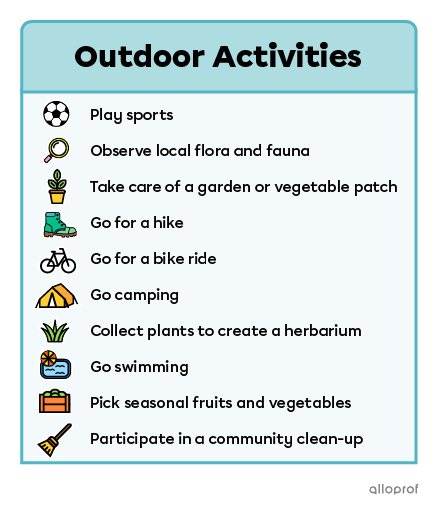
Alloprof has also created the Outdoor Treasure Hunt activity to encourage children discover the world around them.
Reading is the most powerful tool for academic success! Whether it’s comic books, adventure novels, or sports magazines, the important thing is to give your child many opportunities to read. Reading naturally helps enrich your child’s vocabulary, opens up a whole new world of discoveries, and even lets them travel to different worlds!
To make reading more appealing, try a change of scenery:
- Suggest a reading session after a picnic in the park
- Visit your local library
- Read by the pool or next to a lake
- Read a story as a family by headlamp in a tent
- Start a family reading challenge
If your child seems less interested in paper books, the Alloprof educational game Book of Spells is an excellent alternative for practising reading comprehension on a computer or tablet.
Discover more resources to better support your child throughout the summer!
Comité régional pour la valorisation de l’éducation. (s.d.). La glissade de l’été : qu’est-ce que c’est? (URL)
Partenaires pour la réussite éducative dans les Laurentides. (novembre 2022). La Glissade de l’été, c’est quoi? (URL)
Quirion, René-Charles. (16 septembre, 2024). Pour contrer le décrochage, il faut aider les jeunes à lire mieux, selon une experte. La Presse. (URL)
Réseau québécois pour la réussite éducative. (s.d.). La Glissade de l’été. (URL)
Réseau réussite Montréal. (mai, 2021). La glissade de l’été. (URL)