To access the other concept sheets in the Energy-Producing Regions unit, go to the See Also section.
An energy-producing region is a territory that is developed to enable the exploitation, transformation, and commercialization of an energy source.
An energy-producing region is characterized by the type(s) of energy sources it contains. These resources determine the types of facilities required for exploitation, transformation, and transportation, as well as the various issues specific to the region.
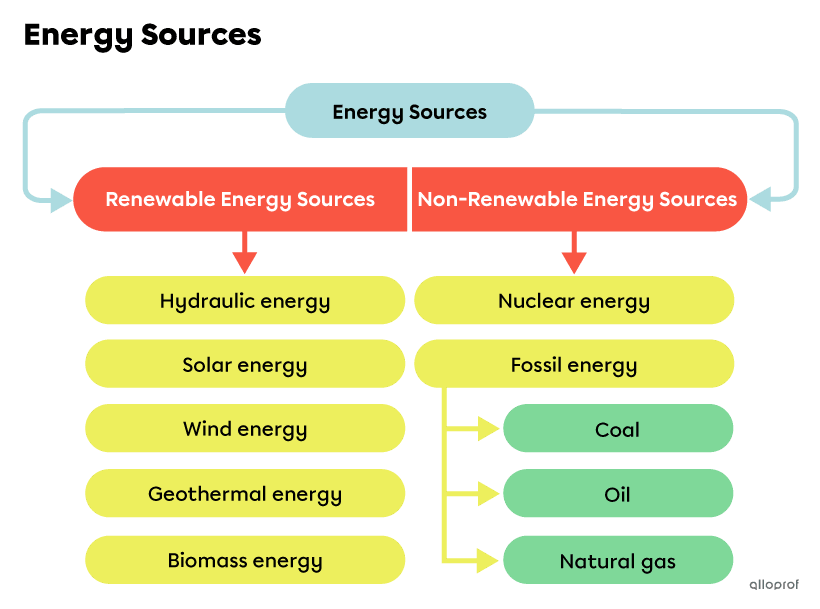
- An energy source—also called an energy resource—is a natural resource that allows energy to be produced. For example, wind produces wind energy, the sun produces solar energy, water produces hydraulic energy, etc.
- A renewable energy source naturally replenishes itself at least as quickly as it is used, which means it will always be available.
- A non-renewable energy source does not replenish itself naturally, or that replenishes itself much more slowly than the rate at which it is used.
Planning and development is the modification or transformation of a territory with the goal of making it accessible, functional and usable.
Many infrastructures need to be built in order to use the different energy sources. These infrastructures are:
- Exploitation infrastructure
- Transformation infrastructure
- Transportation and distribution infrastructure
Once the energy has been transformed, produced and distributed, it is consumed to meet the many needs of the population and of businesses. It powers our industries, fuels our cars, recharges our electronics, and so on.
Exploitation is the first step in producing energy from an energy source. Exploitation takes one of two forms, depending on the energy source.
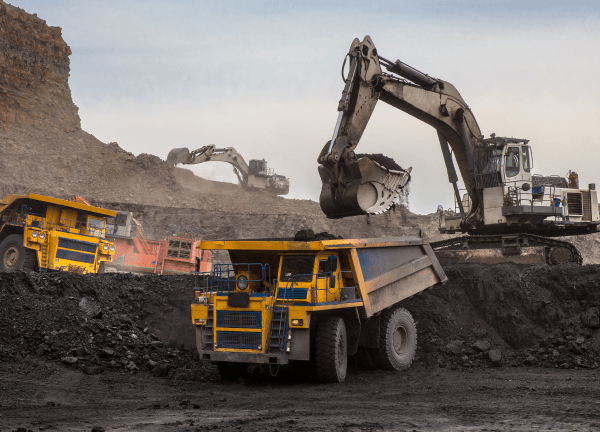
Some energy sources have to be extracted from the ground. These include natural gas and coal.
Mines and oil and gas wells are examples of infrastructures used to extract energy sources.
Other energy sources need to be captured. This is the case for hydraulic energy (water energy), solar energy, and wind energy.
To capture them, infrastructures such as dams, solar panels, and wind turbines are needed.
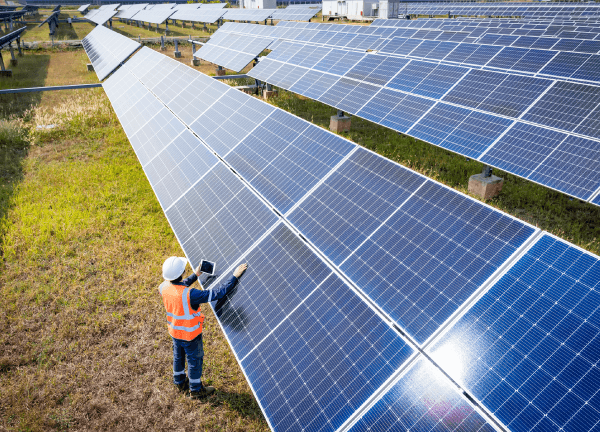
Solar panels capture the sun’s energy and transform it into electricity.
Source: Kampan, Shutterstock.com
Energy transformation occurs when an energy source is converted into either electricity or fuel. This process varies depending on the energy source.
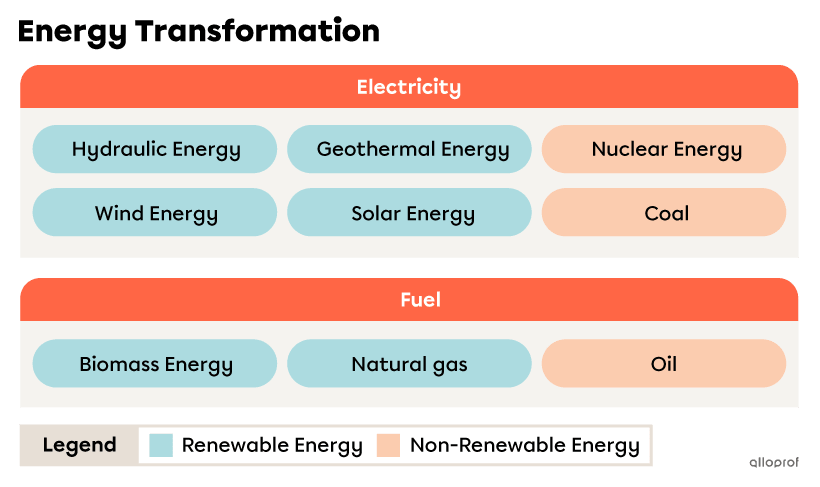
The infrastructures used to transform energy also vary depending on the energy source. Below is a summary of the different infrastructures used to transform energy sources into electricity or fuel.
A power plant is a site where different energy sources are transformed into electricity. There are five different types:
| 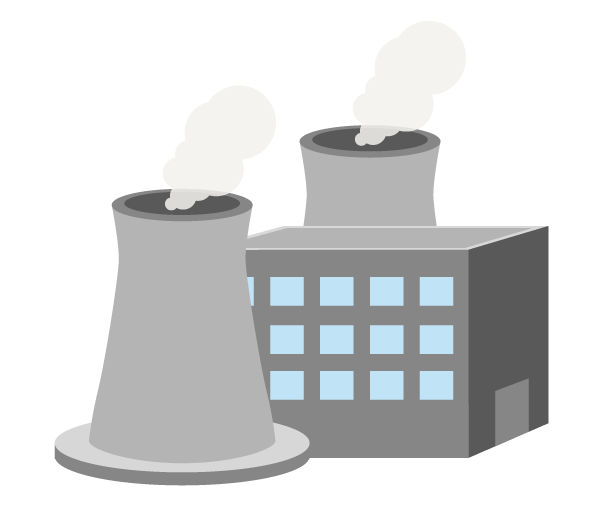 |
A wind turbine converts wind energy into electricity. The wind’s energy turns the blades of the turbine. | 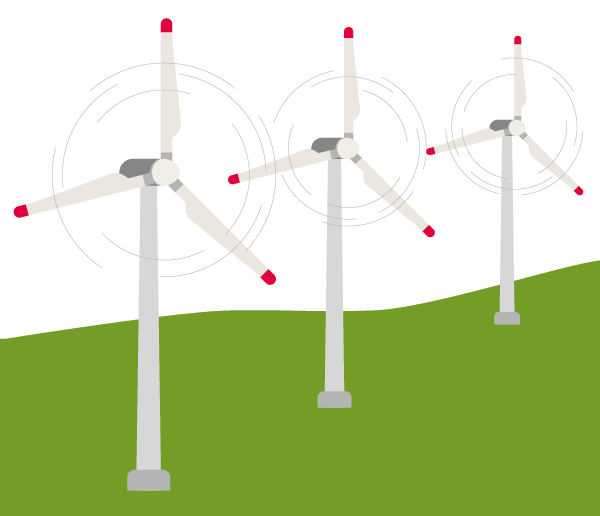 |
A solar panel captures the sun’s rays and converts their heat into electricity. | 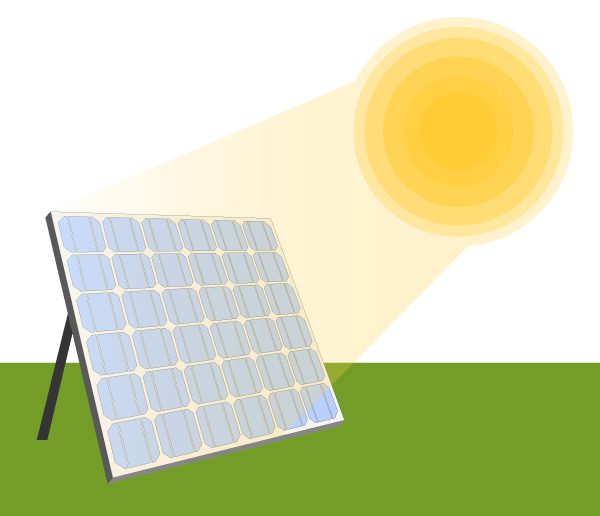 |
A refinery is a processing plant that converts crude oil into fuel. | 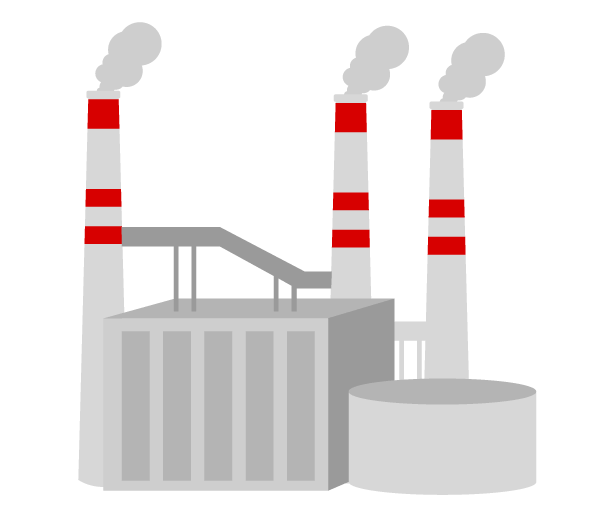 |
The purpose of transportation infrastructures is to bring the energy source from the exploitation site to the transformation site, or from the transformation site to energy consumers.

Different infrastructures can be used to transport energy resources, such as natural gas or oil:
- Gas pipelines
- Oil pipelines
Multiple infrastructures are also needed to transport fuel, as it can be transported in different ways:
- By truck
- By train
- By boat
Electricity, on the other hand, is transmitted via power lines.
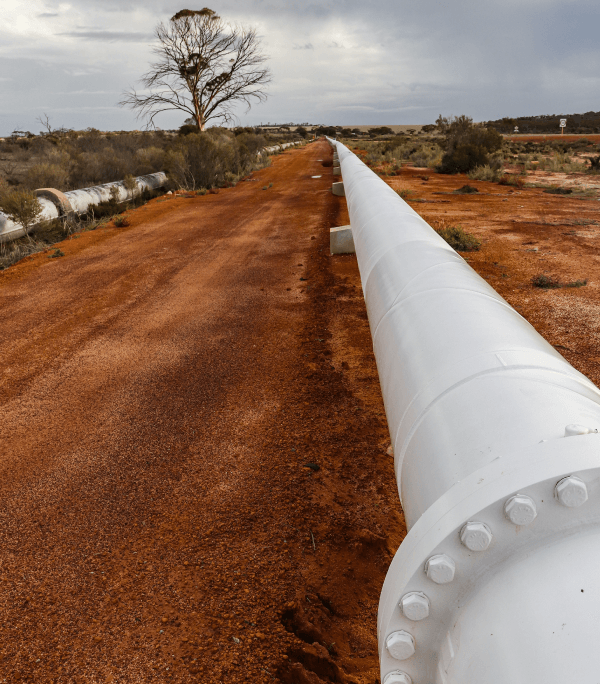
Pipelines can be built underground or above ground. They can also be built underwater.
Source: Leanne Irwin, Shutterstock.com
To access the rest of the unit, see the following concept sheets.